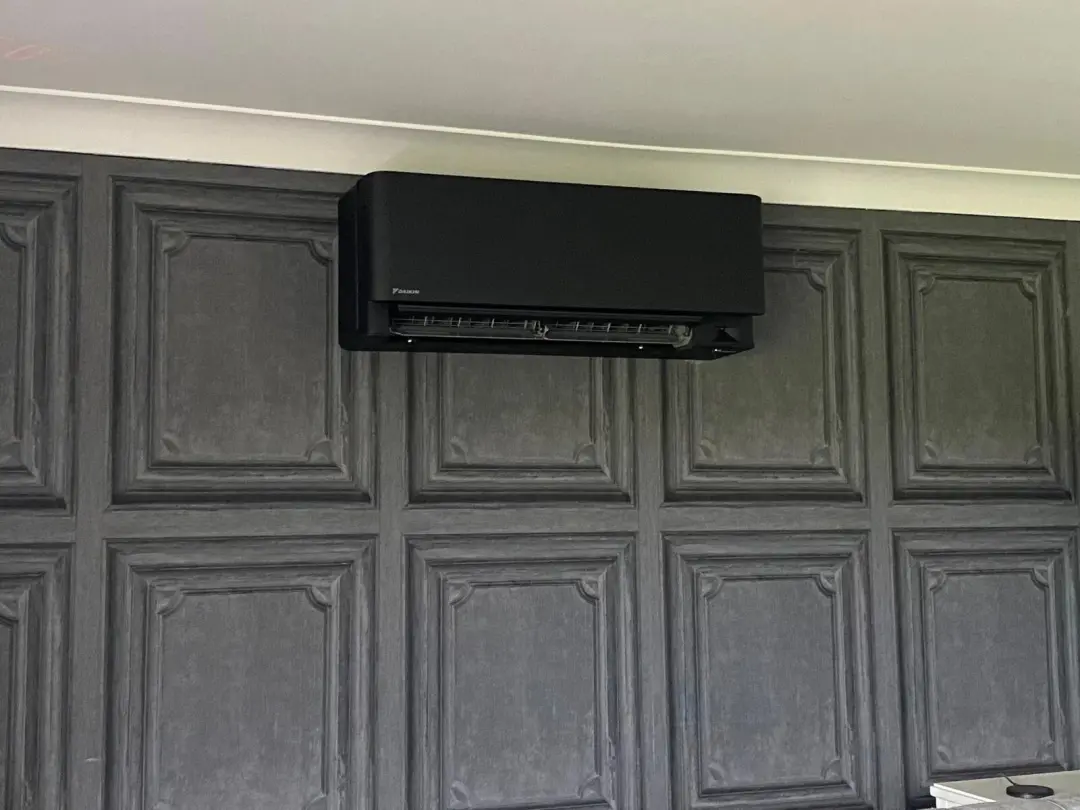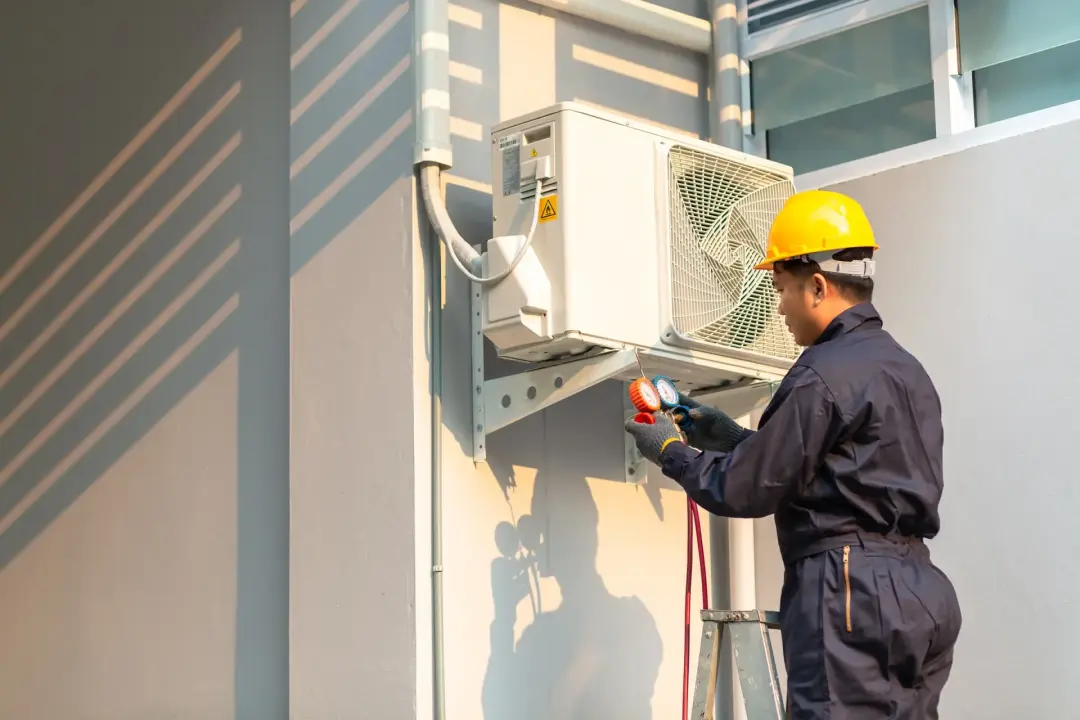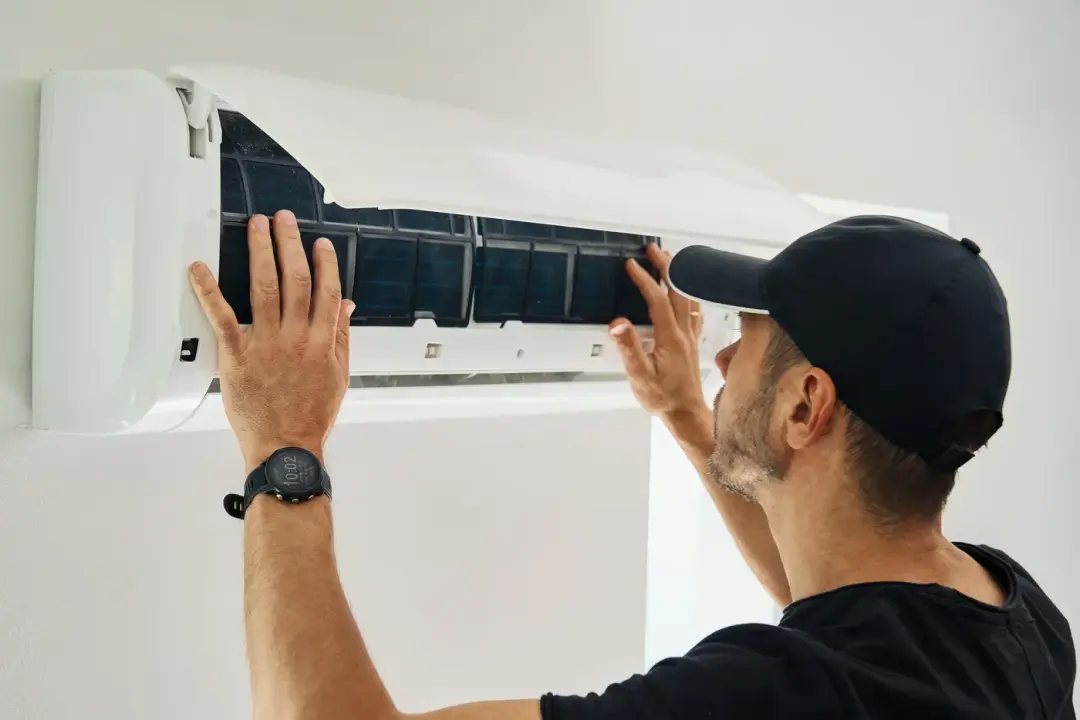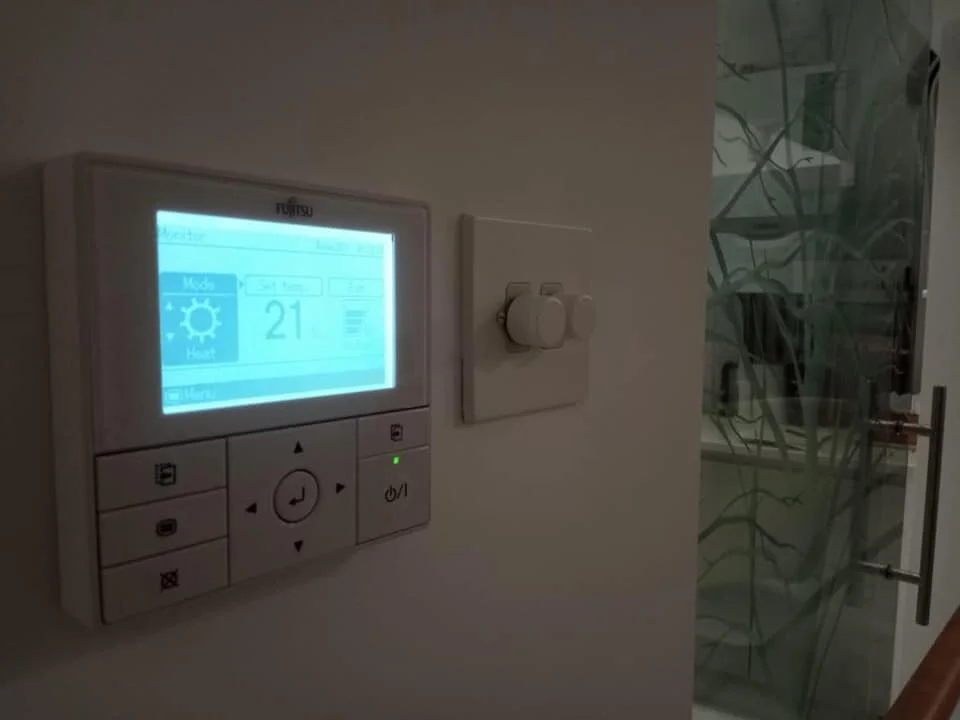
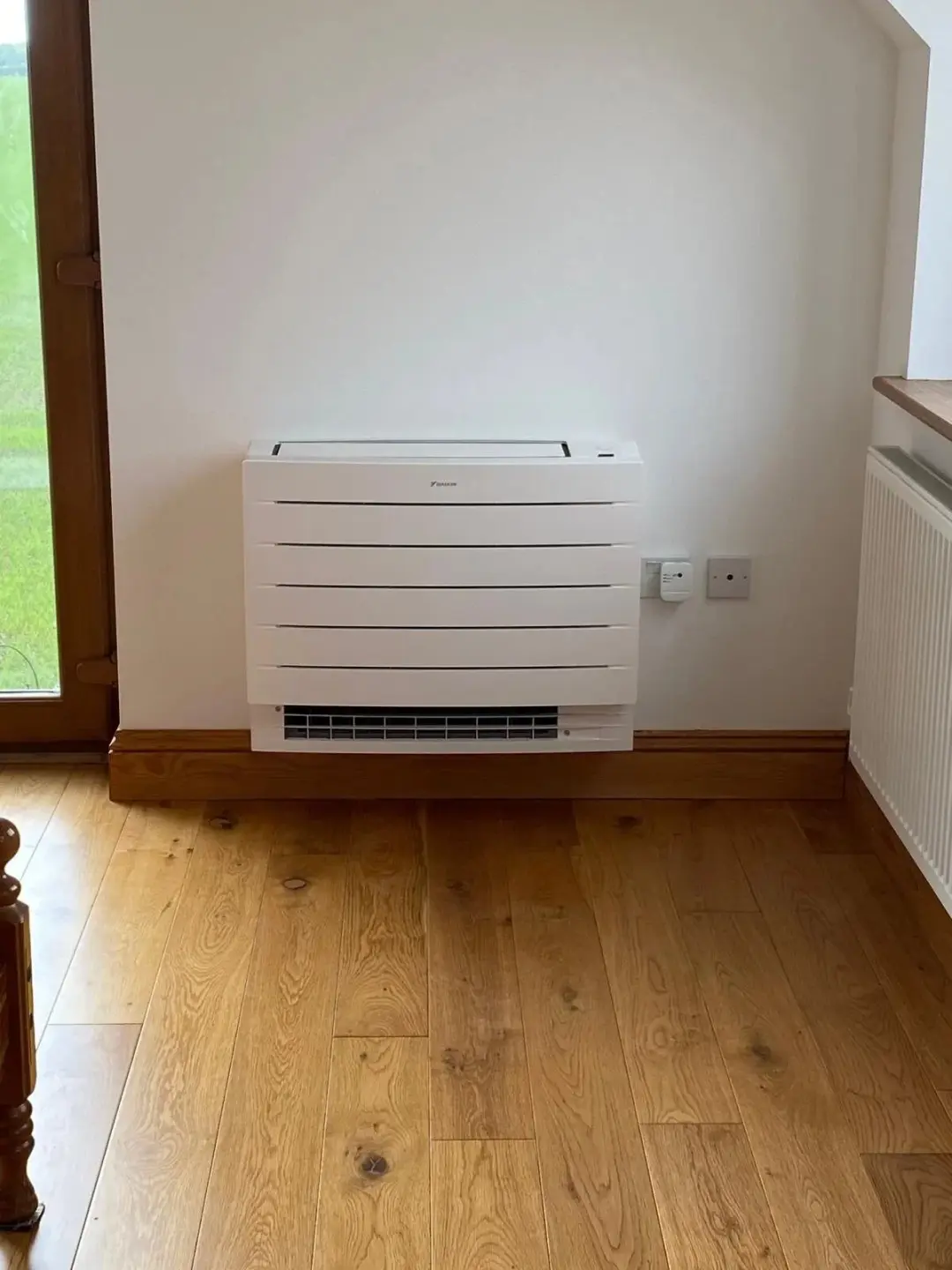
Domestic air conditioning can provide room heating when it uses a reversible air-to-air heat pump. Moving heat indoors can reduce the electricity needed compared with direct electrical resistance, but the result depends on system efficiency, weather, the building and how the room is used. Compare complete ownership costs before replacing an existing heater.
Domestic air conditioning as a room heater
A direct electric room heater turns approximately one unit of electricity into one unit of heat at the point of use. A heat pump also uses energy collected from outdoors. The government's heat-pump explanation says heat pumps can produce around three units of heat for each unit of electricity used.
That is a general explanation of the technology, not a guaranteed ratio for every air-to-air installation in every hour. Ask for performance information for the exact system and local design conditions. Cold weather, defrost and the chosen indoor temperature can change the result.
Calculate costs with your own tariff
Divide the electricity unit rate by the achieved heating efficiency to estimate the electricity cost per unit of delivered heat. Use the same tariff and required heat output when comparing options. Standing charges should only be added where the decision changes them.
For illustration, at an assumed 30p per kWh, a resistance heater supplying 6 kWh of heat uses about £1.80 of electricity. A heat pump delivering the same heat at an average ratio of 3 uses about £0.60. These are labelled assumptions, not the current price of your tariff or a savings quotation.
Choose equipment for winter demand
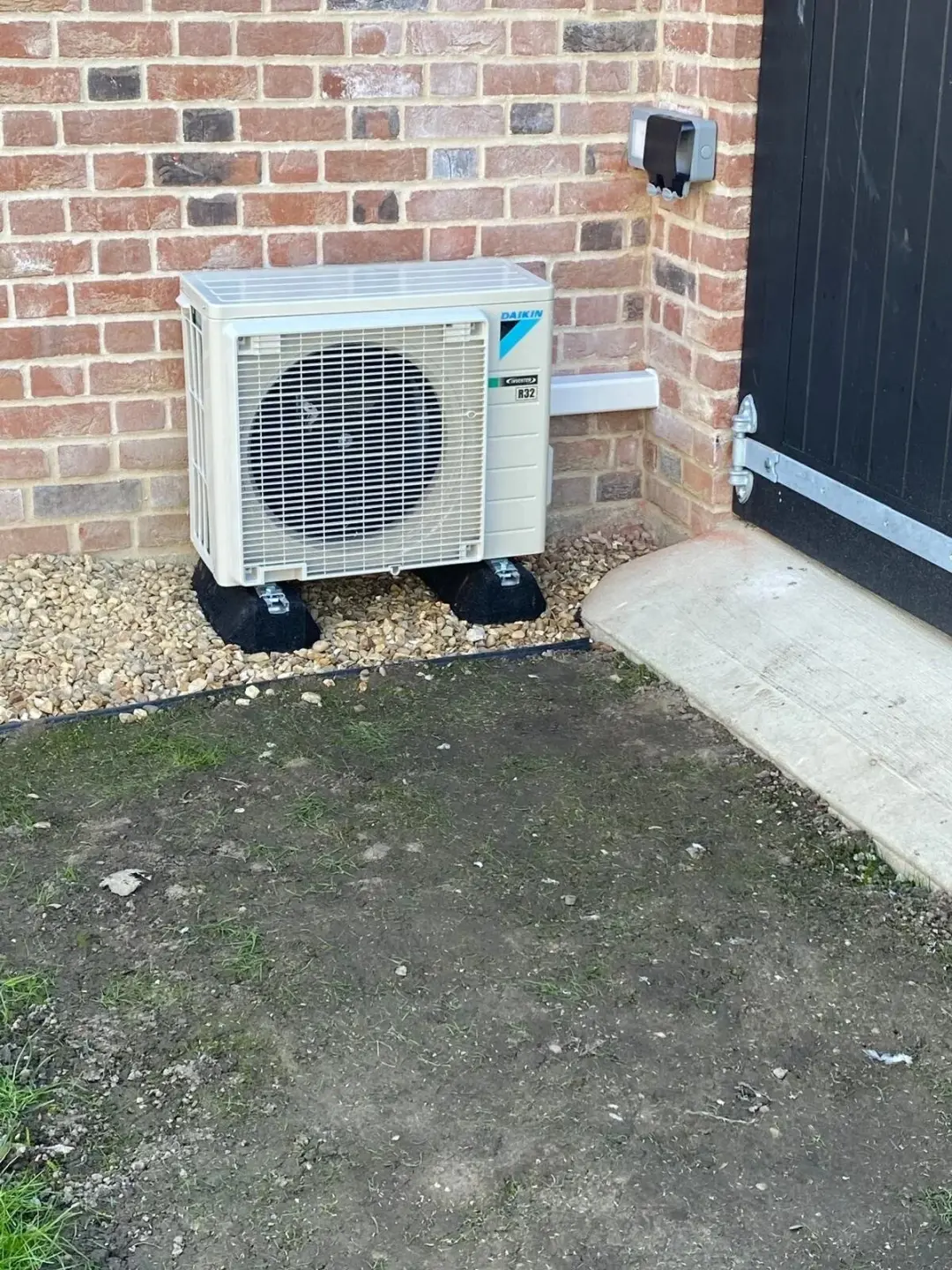
Ask for the room's heat loss and the available output at the proposed winter design temperature. A nominal heating capacity measured under milder test conditions may not represent the coldest conditions the room needs to withstand. Discuss the expected effect of defrost cycles too.
If the existing heater is needed for frost protection, occasional rapid heating or resilience, establish whether it should remain as backup. The answer depends on the room and the consequences of losing heat. Avoid removing a working backup before the new system has been commissioned and its role agreed.
Consider comfort and room coverage
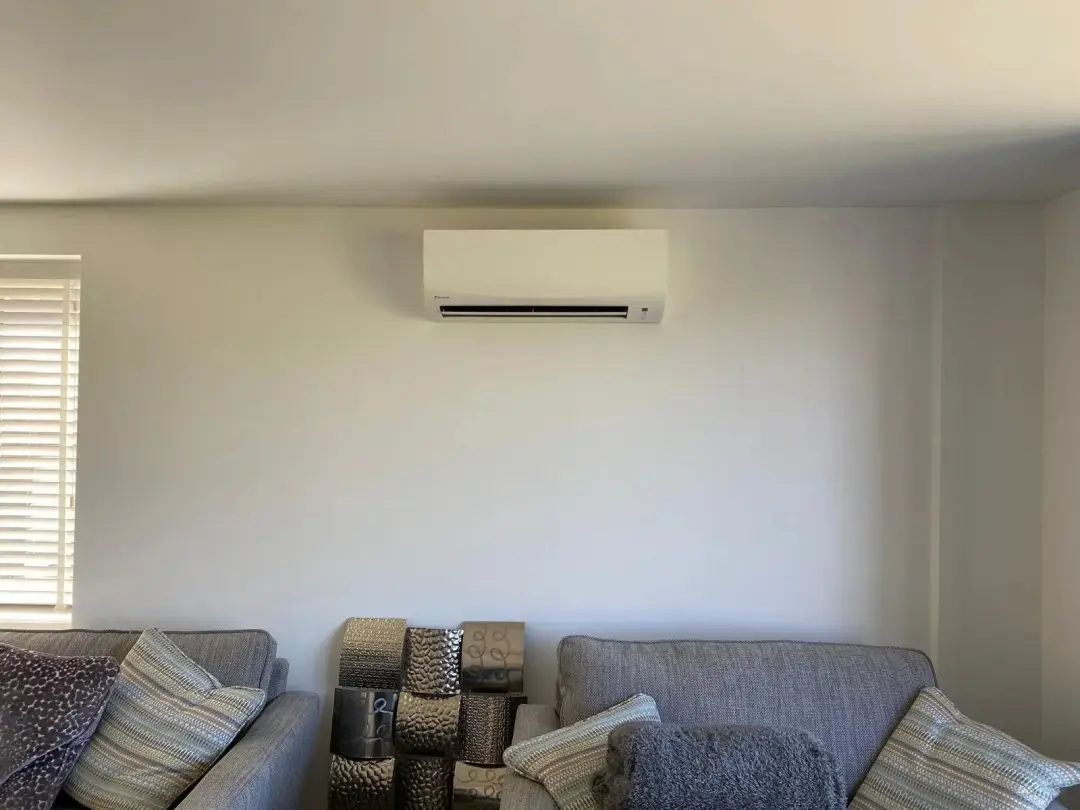
An air-to-air system heats through moving air, which feels different from a radiator or panel heater. Unit position, fan setting and furniture influence temperature distribution. Ask how it will avoid a persistent draught at a desk or seating position.
One indoor unit should not be assumed to warm an entire house through doorways. Closed rooms need their own assessment. If heating several spaces is the objective, compare a properly designed multi-room arrangement with the existing heating strategy rather than extrapolating the savings from one small room.
Compare installation and ongoing ownership costs
Include equipment, electrical work, pipework, access and drainage in the initial cost. Add maintenance and any likely replacement costs when assessing the decision over several years. A low operating cost alone does not establish a short payback for an occasionally occupied room.
For a simple estimate, divide the extra installed cost by realistic annual savings, allowing for servicing. Explain your expected hours of use to the surveyor. Do not use an optimistic brochure figure as if it were a measured result from your property.
Keep other household needs separate
Most ordinary air-to-air systems provide space heating rather than hot water for taps and showers. Check the exact product before making changes to another heating system. Cooling capability also does not remove the need for normal household ventilation.
Meadowcroft Air Conditioning & Refrigeration Ltd can assess room heating and cooling around Cambridge, Ely and nearby areas. Bring your electricity rate, current heater details and room schedule so the proposal can address practical comfort and ownership costs together.
Sources and figures
Figures and guidance checked on 6 November 2026. Product ratings apply to the stated models; worked cost examples use the assumptions shown.
Summary
Air-to-air heating can use less electricity than direct electric heating, but compare the same room load, tariff and operating hours. Include installation and maintenance before deciding whether to replace an existing heater.