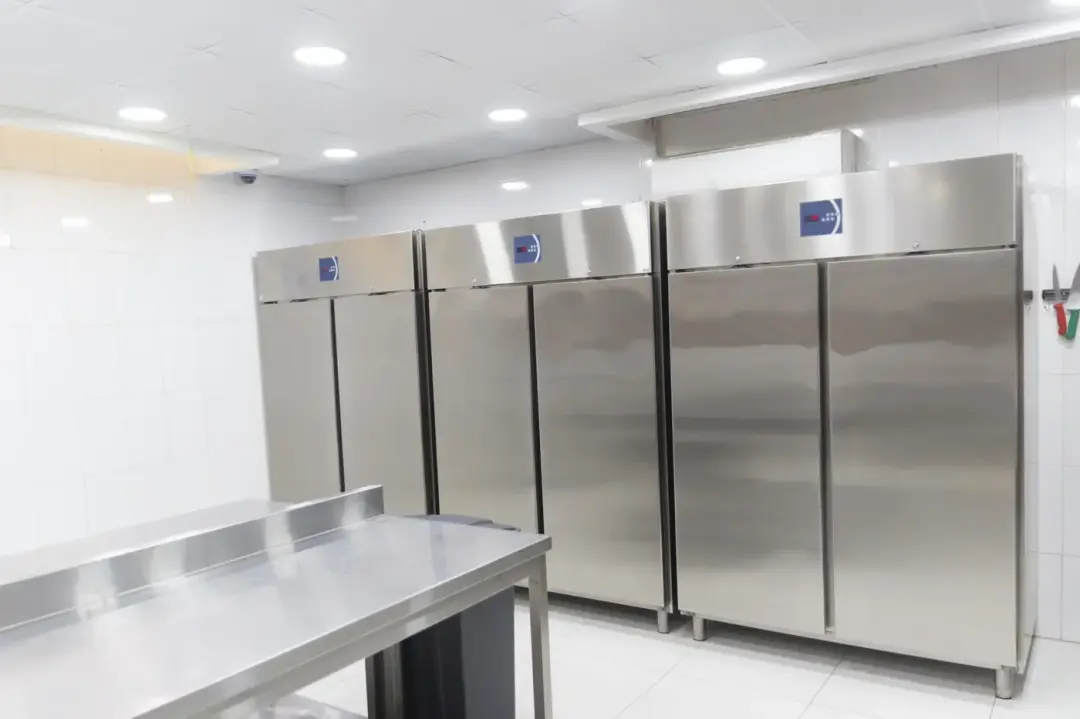
A commercial refrigeration temperature alarm needs a prompt, recorded response, but does not automatically prove food is unsafe or the compressor has failed. Establish product temperatures, how long conditions have changed and whether cooling has stopped. Protect stock through your food-safety procedure while the equipment is assessed.
Commercial refrigeration temperature targets
Government guidance says food requiring chilled storage must be kept at 8°C or below, with a fridge setting of 5°C or below recommended to allow for fluctuations. Those figures are not interchangeable: the lower operating target provides a margin. Follow any stricter product instructions and your documented food-safety controls.
Do not adopt a generic alarm value without considering the products, sensor position and normal cabinet operation. The person responsible for food safety should agree the response thresholds and actions. An equipment engineer can restore refrigeration; they cannot decide food safety solely from a single air-temperature reading.
Distinguish cabinet air from product temperature
Air warms quickly when a door opens and may change during defrost. Food temperature responds differently. A display may represent a particular sensor location rather than the warmest product in the cabinet. Read the equipment manual to understand what it shows.
Use the approved temperature-checking method in your food-safety procedure, including a suitable clean, disinfected probe where required. Record the reading, location, time and relevant product details. An alarm that clears quickly still deserves a record if it crossed a control limit or exposed a repeated operating problem.
Make safe external checks
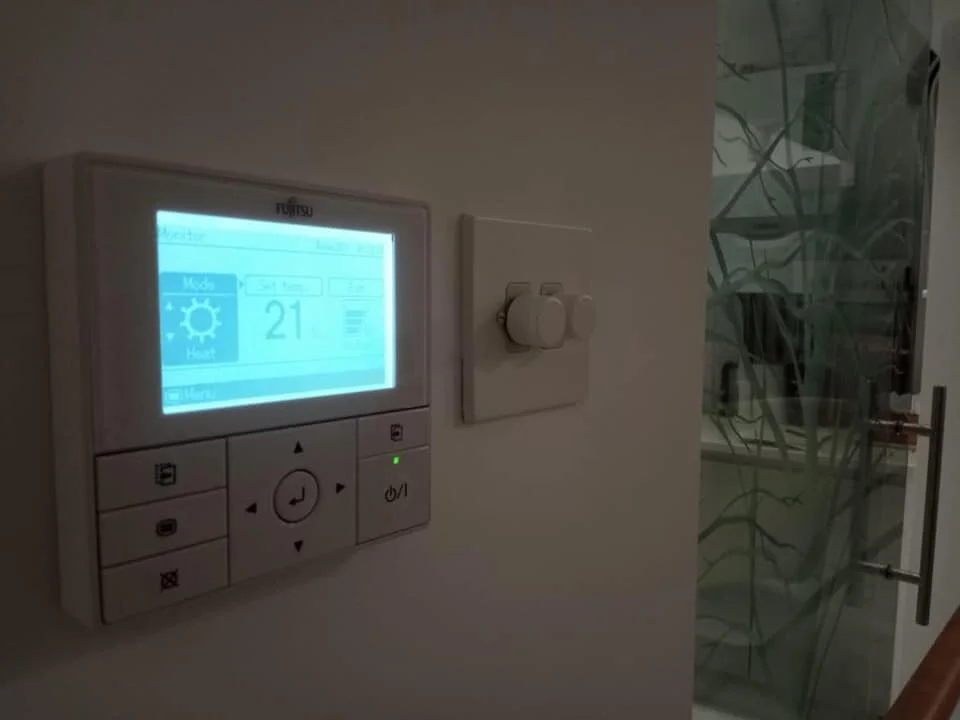
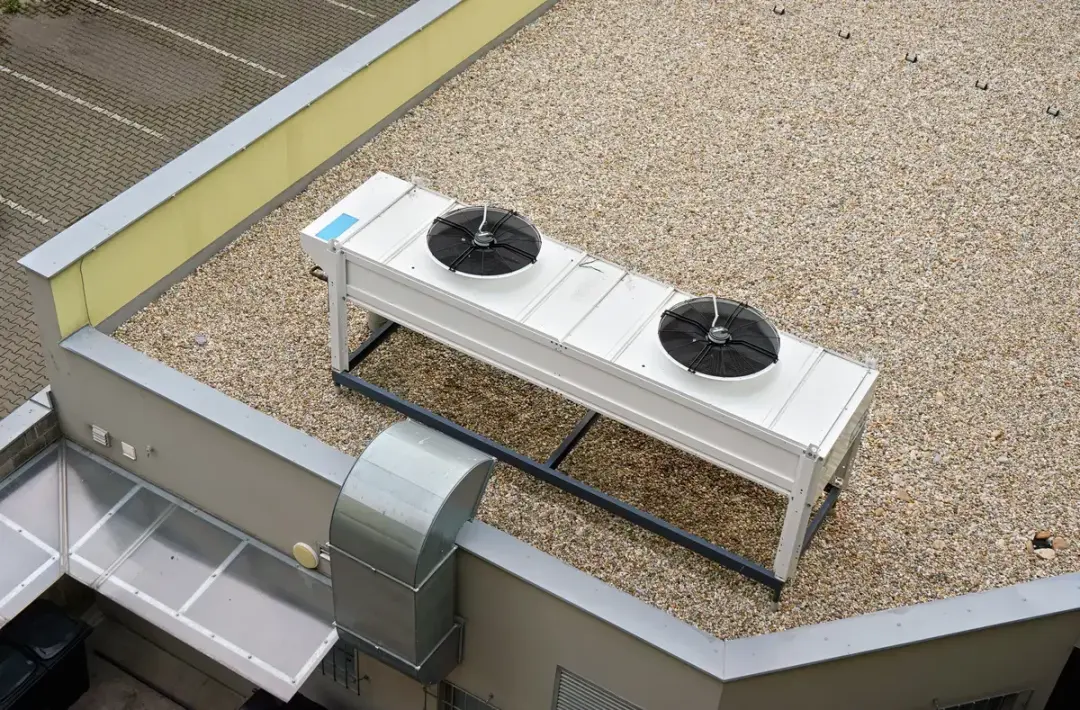
Check whether the door is fully closed, a package is preventing the seal engaging or stock blocks an air grille. Note whether a large delivery has just been loaded. Confirm power status from a safe position and record any displayed fault code before a reset.
Do not remove electrical covers, bypass alarms or repeatedly reset a protective trip. A refrigeration system with damaged wiring, a burning smell or signs of an electrical fault needs competent attention. If a simple door obstruction is corrected, continue monitoring rather than assuming the food and equipment have already recovered.
Protect stock using a planned response
Keep doors closed as much as practicable and stop adding warm stock. If transfer is appropriate, use verified alternative storage with enough capacity and suitable segregation. Record which products moved, their temperatures and the time involved.
If the duration or temperature history is uncertain, follow your documented food-safety process and seek appropriate advice. Do not rely on appearance, smell or the fact that the display later returned to normal. Avoid applying a general time allowance without checking whether it is appropriate to that food and situation.
Give the refrigeration engineer useful evidence
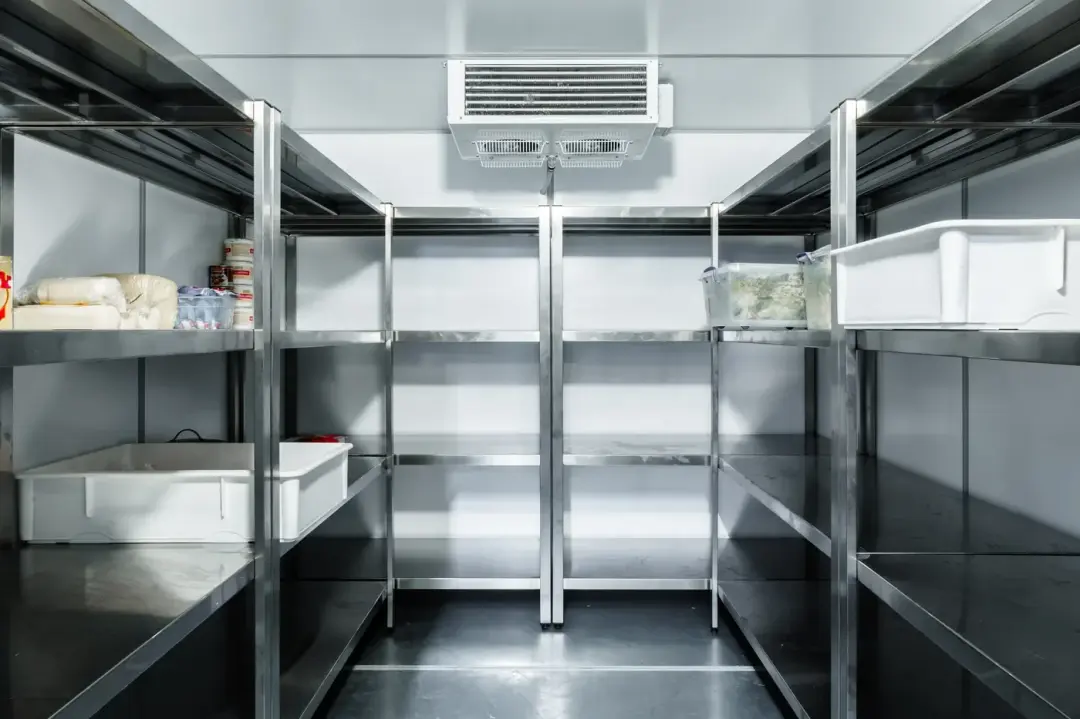
Provide the model, alarm code, temperature trend, recent loading and door-opening history. Explain whether the cabinet runs continuously, stops repeatedly or has visible ice. Tell the engineer about previous repairs and cleaning, including any recent change to the surrounding kitchen temperature.
Access to the condenser, controls and evaporator may be needed. Keep the area safe and clear without moving equipment in a way that strains pipework or cables. Ask for the fault and corrective work to be documented, along with any remaining operating restrictions.
Review why the alarm was missed or repeated
A useful alarm reaches someone who can respond outside normal opening hours where needed. Assign responsibility, check notification arrangements and test the monitoring system according to its instructions. A sensor or communication fault can otherwise create false confidence.
For businesses around Ely and Cambridge, Meadowcroft Air Conditioning & Refrigeration Ltd can investigate refrigeration faults and recurring temperature problems. Review loading, door seals, maintenance and alarm settings after the repair so the same event does not simply repeat during the next busy service.
Sources and figures
Figures and guidance checked on 6 November 2026. Product ratings apply to the stated models; worked cost examples use the assumptions shown.
Summary
Respond to the alarm with documented temperature checks, stock protection and safe equipment observations. Arrange diagnosis when performance is abnormal, and keep food-safety decisions separate from the machinery repair.