Commercial air conditioning may need an accredited energy inspection as well as routine servicing. A TM44 inspection assesses efficiency and operation; it is different from a refrigerant leak check. Establish whether the system falls within England's inspection rules, who controls its operation and when its most recent report was completed.
Commercial air conditioning inspection thresholds
Current GOV.UK guidance says systems with an effective rated cooling output greater than 12 kW require inspection by an accredited energy assessor, with inspections no more than five years apart. The first inspection must be within five years of the system or part of it first entering service.
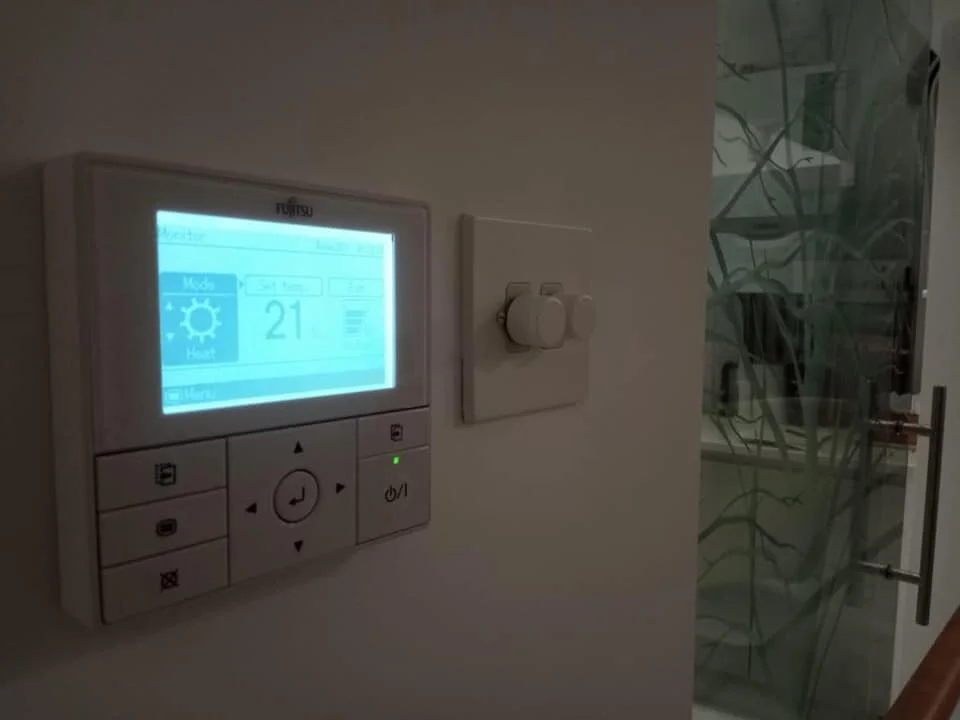
Do not look only at the largest individual indoor unit. Several smaller units under single control can together exceed the threshold. The government's guide explains how systems and buildings are treated, so use the equipment inventory and control arrangements to establish the actual scope.
Work out who is responsible
The relevant person is the person controlling operation of the air conditioning system. Ownership of the building alone does not resolve every lease or management arrangement. A tenant may operate some equipment while a landlord controls shared plant.
Review the lease and facilities responsibilities, then identify the person who will arrange and retain the inspection. If operational control passes to a new person without an existing report being handed over, GOV.UK says an inspection is required within three months. Make the report part of any premises or facilities-management handover.
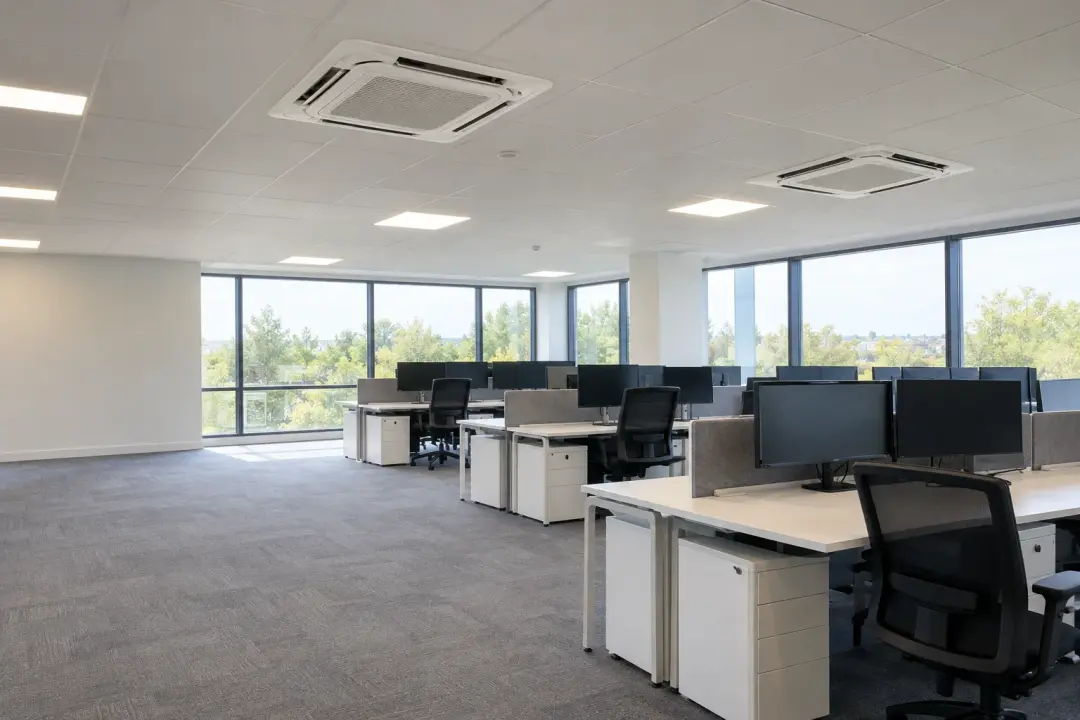
Why servicing does not replace TM44
Maintenance is intended to keep equipment operating safely and effectively. Leak checks address refrigerant-related duties where applicable. The accredited inspection considers efficiency, sizing and operation in relation to the building's needs. These activities can inform one another but are not interchangeable.
Ask contractors to state exactly which service they provide. A maintenance invoice is not the same as an accredited inspection report. Equally, receiving an inspection report does not mean that filters, drains or mechanical faults have been serviced or repaired.
Prepare information before the assessor visits
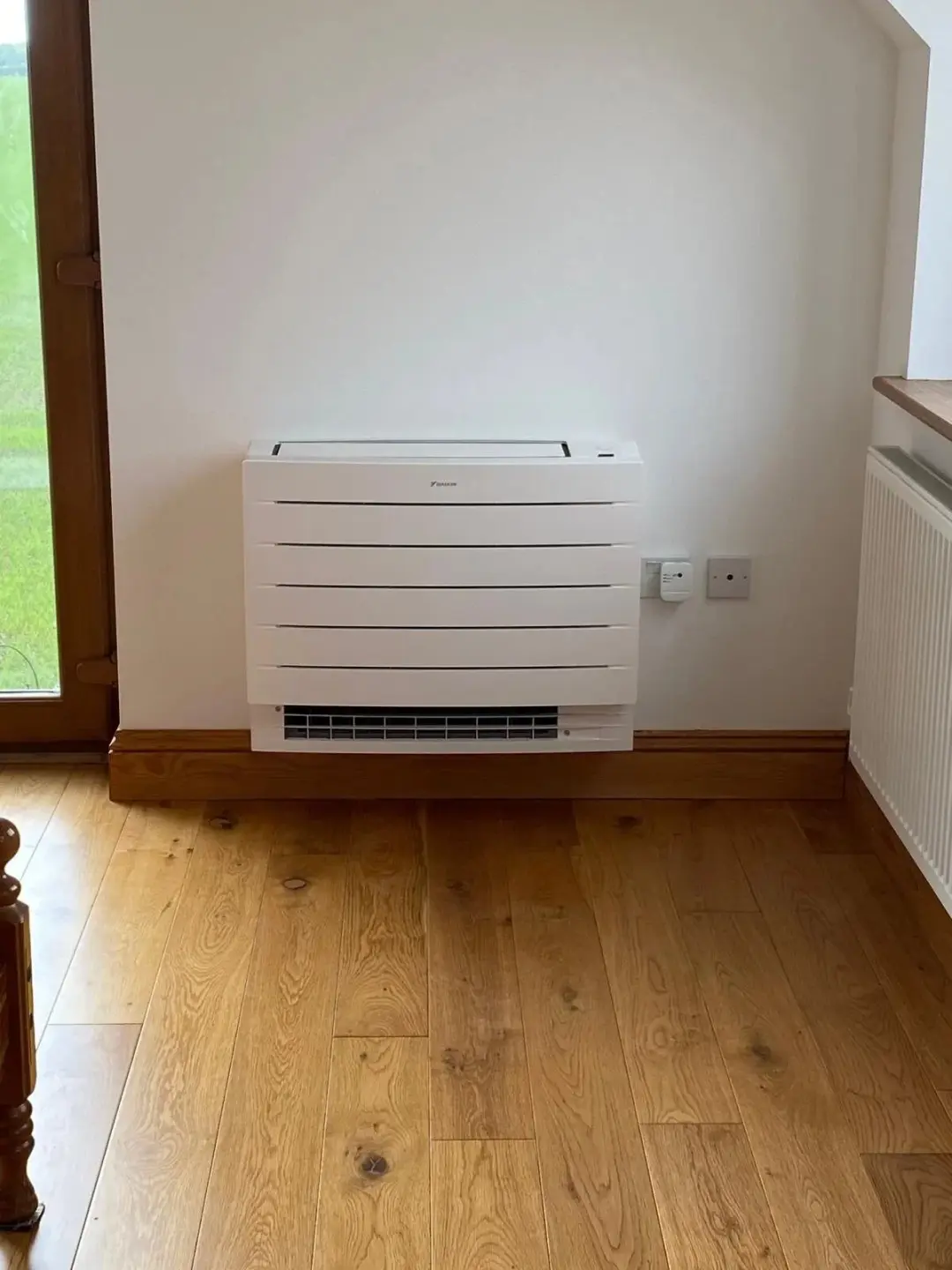
Provide an equipment list with model numbers and rated cooling outputs, commissioning dates, maintenance records and control descriptions. Include building plans, occupancy schedules and any previous inspection report. Explain whether areas have changed use since equipment was selected.
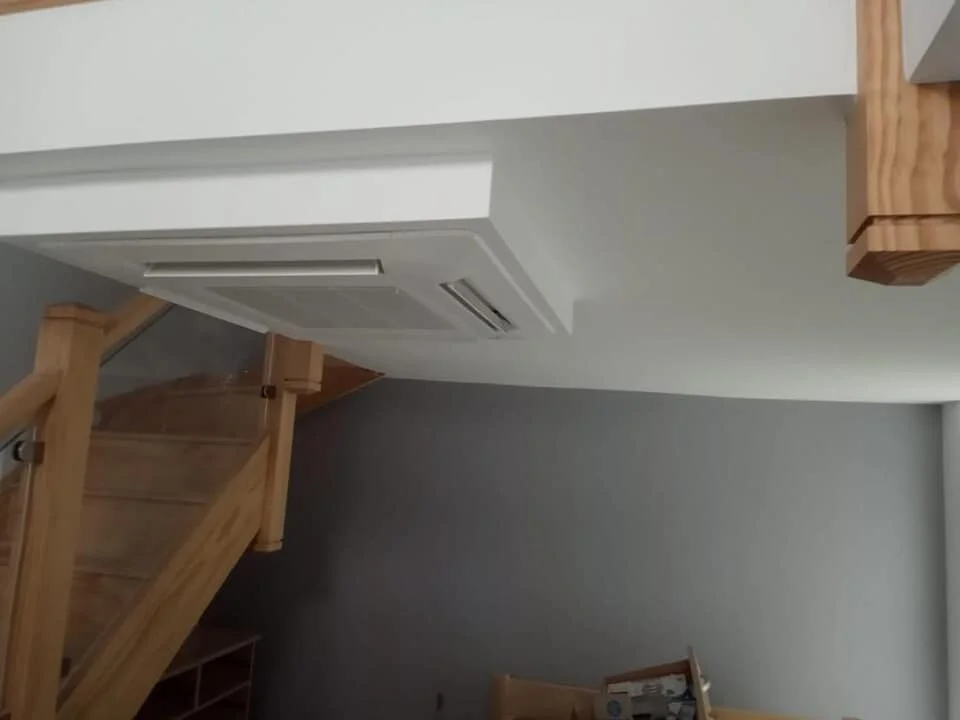
Arrange safe access to the relevant units, controls and documents. If a unit is concealed or requires specialist access, disclose that in advance. Preparation helps the assessor understand the whole system rather than spend the visit reconstructing its layout from incomplete information.

Turn recommendations into an action plan
A report can identify improvements to controls, operating schedules, maintenance and equipment selection. Review the findings against actual occupancy and comfort requirements. Some recommendations may involve adjustments; others need design work and capital expenditure.
Assign responsibility and target dates for reviewing recommendations. Keep evidence of decisions and completed changes with the report. If a change affects ventilation or a critical room, assess that consequence before applying an energy-saving measure. Reduced operating hours should still match the times when the building needs conditioning.
Check your position when the building changes
New tenants, additional units, a refurbishment or revised central controls can change the information needed to determine inspection responsibilities. Update the equipment inventory rather than relying indefinitely on the list produced at the original installation.
Meadowcroft Air Conditioning & Refrigeration Ltd can discuss installation and maintenance records for premises around Cambridge and Ely. An accredited energy assessor must undertake the required inspection. Ask for that accreditation and the specific inspection scope to be confirmed before booking, and keep the completed report accessible to the person controlling the system.
Sources and figures
Figures and guidance checked on 6 November 2026. Product ratings apply to the stated models; worked cost examples use the assumptions shown.
Summary
Check combined rated output, identify the responsible operator and retain the accredited report. Track TM44 inspections separately from routine maintenance and use the recommendations to inform future system decisions.