Air conditioning installation starts with matching equipment to the room's heat gain and heat loss. Floor area is a starting point, but glazing, insulation, occupants and equipment can change the answer considerably. Before choosing a model, understand what the survey should measure and what the capacity figures actually mean.
Air conditioning installation: room capacity
Cooling capacity describes how much heat a system can remove, measured in kilowatts. It is different from the electricity it consumes. A 3.5 kW air conditioner does not necessarily draw 3.5 kW from the supply. Its input varies with the load and operating conditions.
Daikin's current small-room guidance gives 2.0–2.5 kW as a typical cooling range for rooms towards 20 square metres. That is a starting illustration, not a specification for every room. A shaded bedroom and a glazed extension of the same size can need different equipment.
What a sizing survey should record
The installer should measure the room, ceiling height, windows and orientation. Afternoon sun through west-facing glass can create a peak load just when a room is occupied. Roof exposure matters in loft conversions, while insulation and draughts influence summer and winter performance.
Describe normal occupancy and electrical equipment. A spare room used occasionally differs from a daily home office with several screens. Mention planned insulation or new glazing before equipment is specified. Ask for the design assumptions in writing so competing quotations can be compared fairly.
Why too much capacity can be uncomfortable
An oversized system can reach the set temperature quickly, then stop or reduce output. If its minimum output remains too high for the room, repeated cycling can make control less steady. A large indoor unit may also deliver an unnecessarily strong draught.
An undersized unit can remain at high output without controlling the room in demanding conditions. Before replacing an existing system, establish whether the room has changed: extra equipment, a new extension or different glazing may have altered the original load. Buying a larger model without checking the cause can repeat the problem.
Include heating if you need winter comfort
Ask for a winter heat-loss assessment as well as a cooling calculation if the system will heat the room. Published heating output applies at particular test conditions. Confirm the available capacity at the outdoor temperature used for the design, including how defrost operation is accommodated.
One unit in a hallway cannot be assumed to condition bedrooms behind closed doors. Assess each space separately. Where several rooms are involved, ask whether individual systems or a shared outdoor unit would match their different schedules and simultaneous demand.
Read the quotation beyond the headline kW
Compare minimum and maximum output, seasonal efficiency, electrical requirements and sound levels for the exact indoor and outdoor combination. Seasonal efficiency helps compare equipment under standard conditions; it does not determine a household's bill by itself.
As an illustrative calculation, 3.5 kW of cooling delivered at an efficiency ratio of 4 requires approximately 0.875 kW of electrical input at that operating point. This explains the difference between output and consumption. It is not a fixed hourly prediction or a performance promise for an unspecified product.
Questions to settle before installation
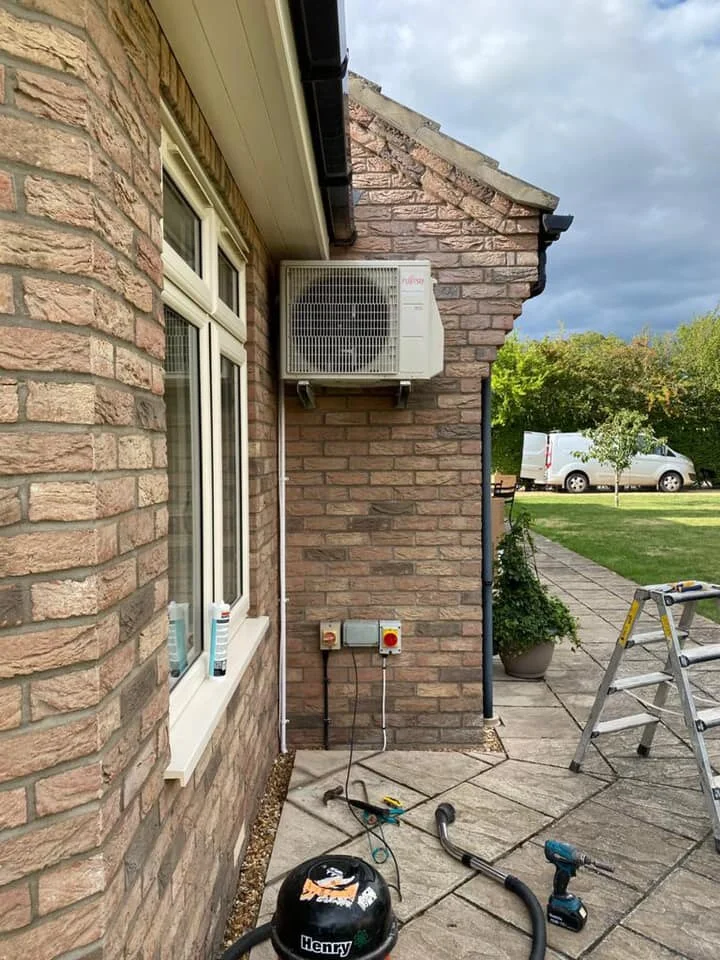
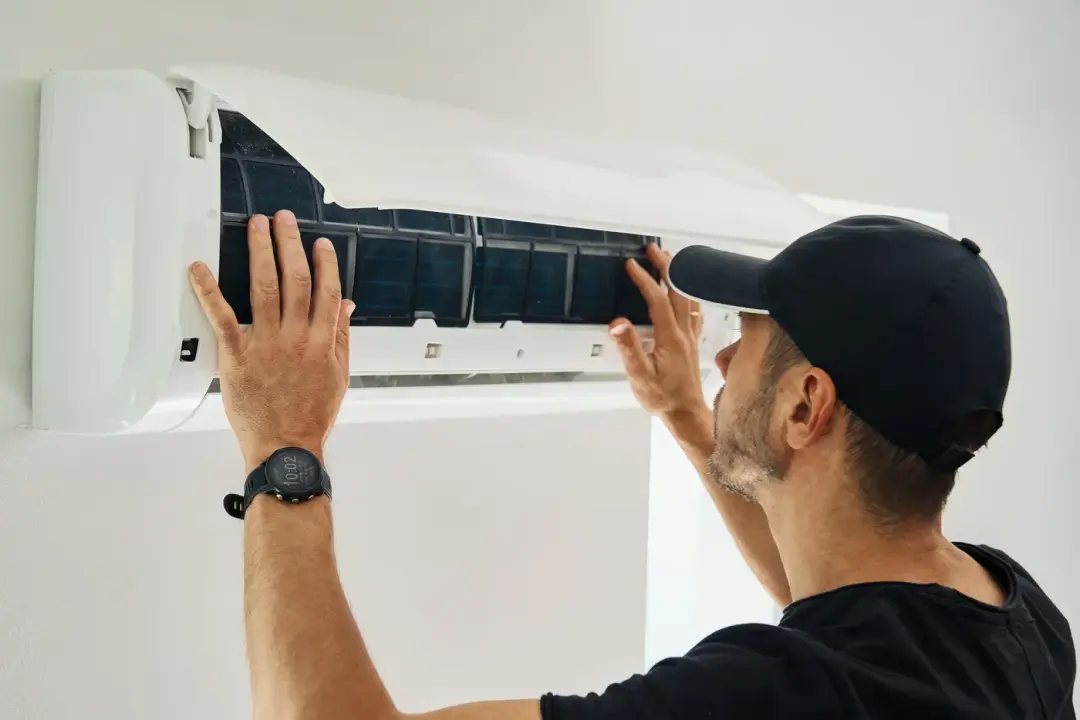
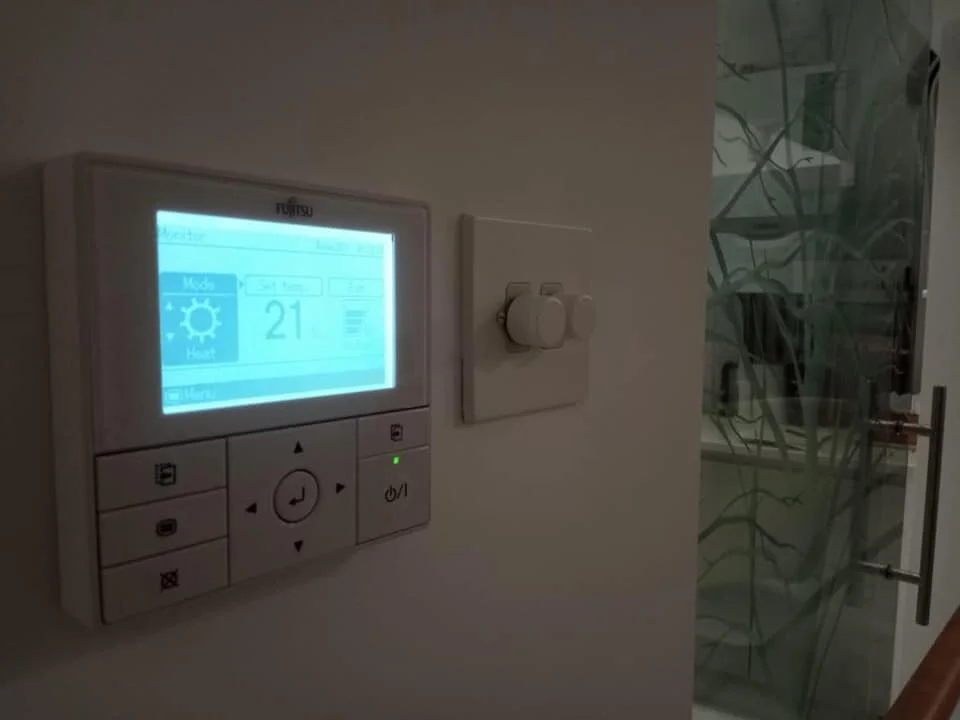
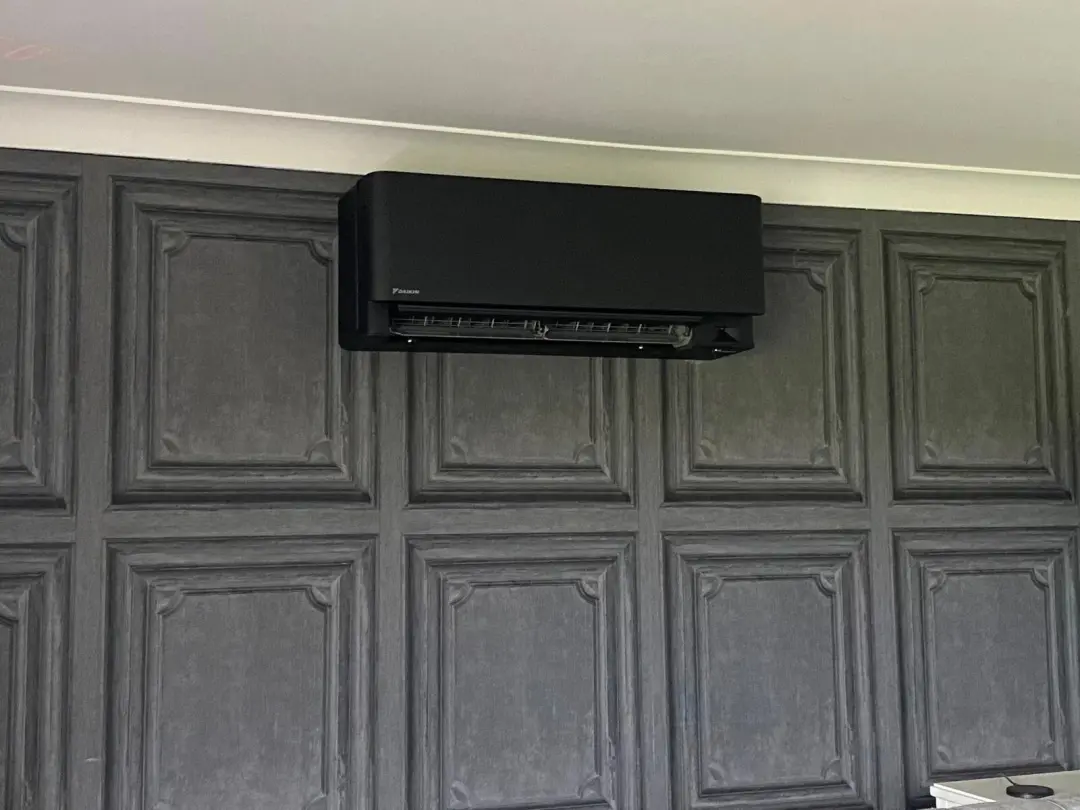
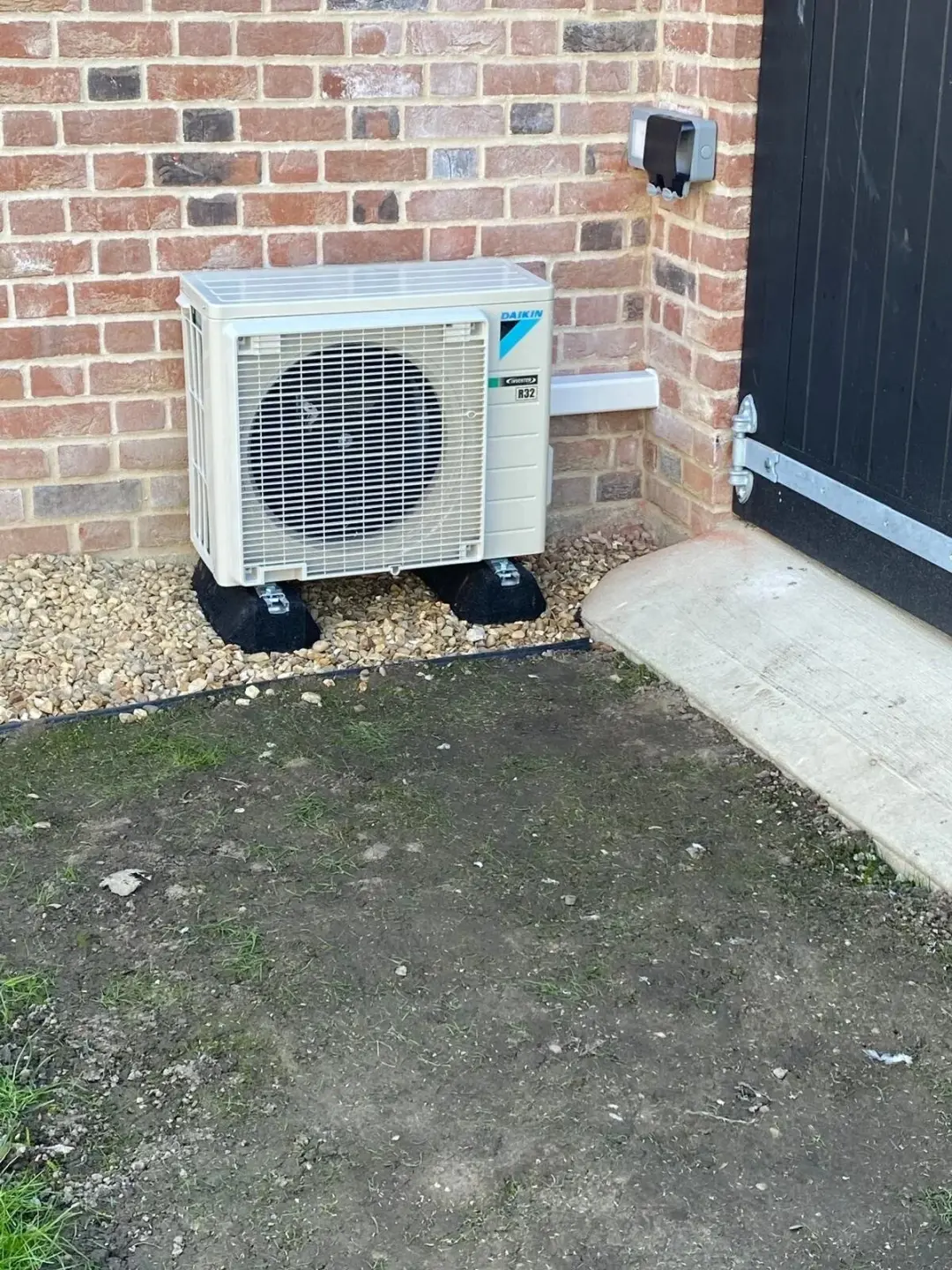
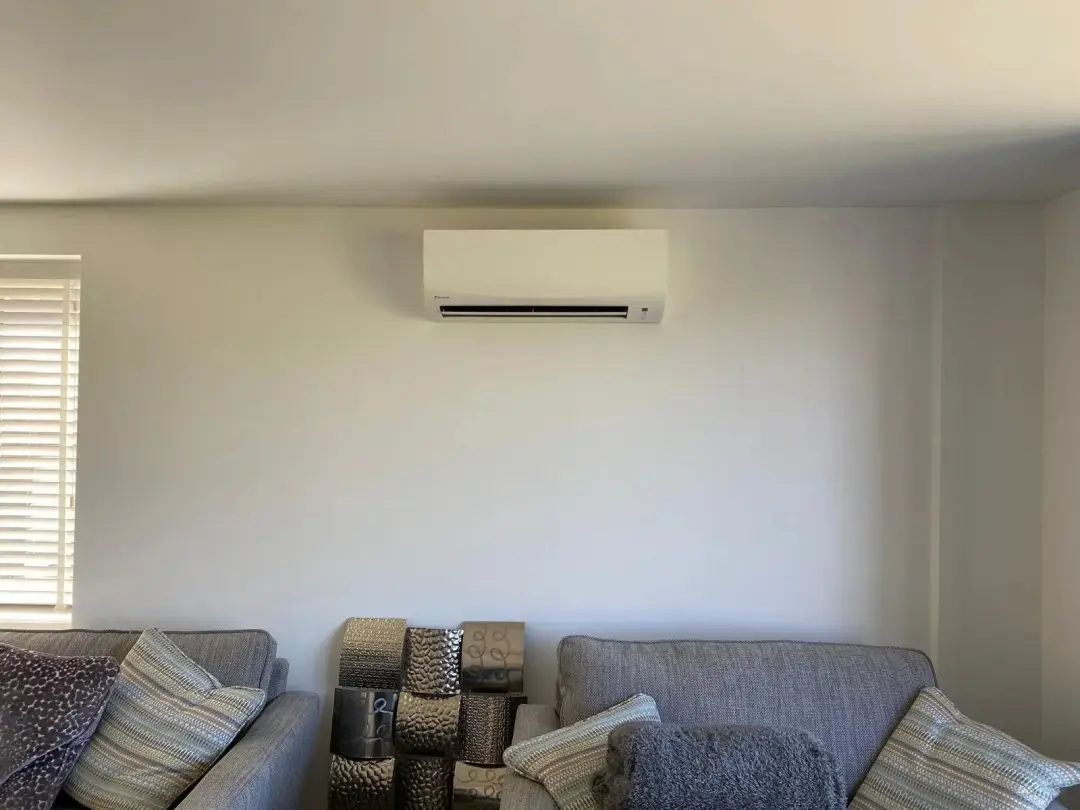
Ask where the indoor and outdoor units will sit, where pipework will run and how condensate will drain. Check that filters and service panels remain accessible. A suitable capacity still needs a practical installation and an agreed control arrangement.
For a room in Cambridge, Ely or nearby service areas, Meadowcroft Air Conditioning & Refrigeration Ltd can assess its use and explain the proposed specification. Bring photographs and notes about when it overheats. Keep the agreed load assumptions, equipment details and commissioning information together for future servicing.
Sources and figures
Figures and guidance checked on 6 November 2026. Product ratings apply to the stated models; worked cost examples use the assumptions shown.
Summary
Select capacity from the room's actual load and intended use, including winter heating where needed. Ask for a survey that explains the proposed equipment before you commit.